Getting a bamboo tattoo in Thailand has become somewhat of a rite of passage for many backpackers and travelers.
I got my first bamboo tattoo while on the island of Koh Phangan. It was a spontaneous call (like all the best and worst tattoos usually are) and I’m glad I did it. The bamboo tattoo I got on my chest in Thailand is my favorite of my small collection of tattoos, and I would absolutely get another one.
So, should you get a bamboo tattoo in Thailand? If you pick a clean, experienced artist, plan around the beach and ask a few vegan questions first – yes, it’s one of the most memorable things you can do here.
However, bamboo tattoos differ from machine tattoos, and there are a few things I wish I had known beforehand. In this guide, I’ll cover what to expect, how to choose a safe studio, how to keep it vegan – ink to aftercare – and where to start looking on Koh Phangan.
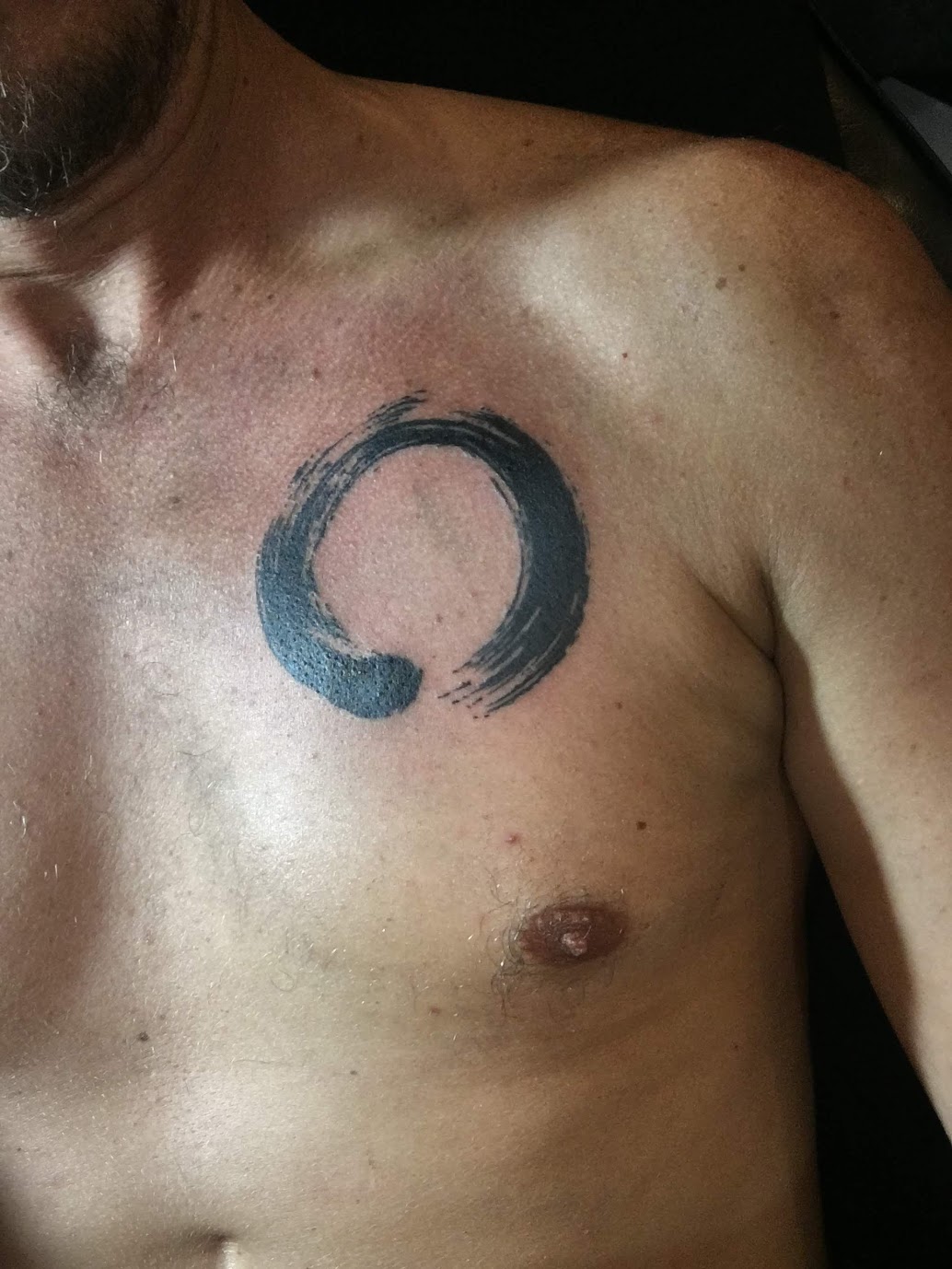
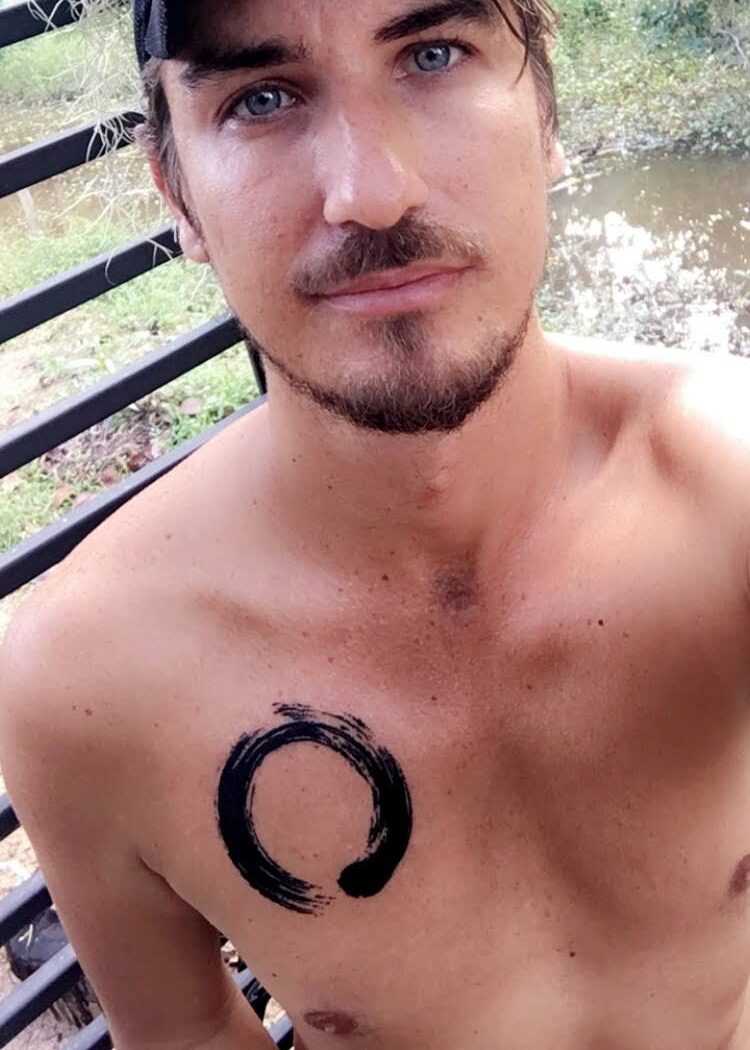
My Bamboo Tattoo – The Enso Circle
I chose to get the Enso Circle tattooed on my chest for its deep roots in Zen Buddhism and its representation of enlightenment, the universe and the void. Buddhists create this circle in one brush stroke with black ink.
I personally was drawn to the simplicity – yet at the same time, the depth – that shows contentment with the imperfection and impermanence of life.
It is said that the act of drawing the Enso Circle is a way to express an inner state of being and achieve a state of mindfulness.
Bamboo Tattoo in Thailand: Quick Facts
| What it is | A hand-tapped tattoo – the artist taps ink into the skin with a long needle set in a bamboo (or metal) rod, no machine |
| Where to get one | Tattoo studios across Thailand’s islands and cities; Sak Yant masters (Ajahns) and temples for sacred designs |
| How long it takes | Usually longer than a machine tattoo – small pieces can take an hour or two, mine took 6–7 hours |
| Typical cost | Varies by studio, size and time – one Koh Phangan guide (Mar 2025) puts small designs at around 1,500–3,000 THB (about $45–90 USD) |
| Healing time | The surface usually heals in about 2–3 weeks; deeper layers take longer |
| Biggest risks | Unsterile needles (hepatitis B/C, HIV), infection from sea and pool water, sunburn on fresh ink |
| Vegan check | Ask about the ink, stencil paper and aftercare balm |
What Is the Meaning of Bamboo Tattoos?
Bamboo tattooing grew out of Sak Yant (“sak” means to tattoo, “yant” comes from yantra, a sacred diagram). The tradition goes back centuries – over a thousand years, by most accounts – and is found across Southeast Asia, particularly Thailand, Cambodia, Laos and Myanmar. It’s still very much alive today.
Traditionally, Sak Yant is created by a master (an Ajahn) or a monk using a long, sharpened rod – bamboo or metal – that’s dipped in ink and tapped into the skin by hand. The designs often feature ancient Khmer script, sacred geometry, or animals with spiritual significance, like tigers and Hanuman.
The tattoos are believed to offer protection, good luck and strength in Buddhist and animist traditions. Soldiers, Muay Thai fighters and people seeking protection have long worn Sak Yant in Thailand. The practice has also become popular with backpackers and anyone interested in traditional tattooing.
It’s worth knowing the difference before you book. A Sak Yant is a sacred tattoo, usually designed by the master and followed by a blessing and a set of precepts to live by. A bamboo tattoo at a studio uses the same hand-tapped technique, but you can choose any design you like – like my Enso Circle.
Wai Khru: The Sak Yant Festival
The most famous place for Sak Yant is Wat Bang Phra in Nakhon Pathom province, about 50 km (roughly an hour’s drive) west of Bangkok. Every year, thousands of devotees gather there for the Wai Khru ceremony to honor their tattoo masters – and some fall into trance and act out the animals on their skin. The 2026 ceremony was on Saturday, March 7. It follows the lunar calendar, so 2027 is expected around early March – the temple confirms the date only a few weeks ahead.
It’s a religious event, not a tourist show. Wear white if you can (it’s traditional) with shoulders and knees covered, keep your distance from people in trance and be respectful with your camera.
Bamboo Tattoo vs Machine Tattoo
The main difference between bamboo and machine tattoos is the tool and method used to put the ink into your skin.
Bamboo tattooing uses a sharpened needle set into a bamboo rod. The tattooist manually taps the needle into the skin, creating a series of dots that form the design. It’s slower than machine tattooing, as it takes more precision and time to complete.
Machine tattooing uses an electrically powered tattoo machine, also known as a tattoo gun. The machine uses a cluster of needles to puncture the skin rapidly and deposit ink in a continuous line, so it’s generally faster.
Is one more painful than the other? Honestly, it depends. Plenty of people say bamboo hurts less and heals faster, because the needle punctures rather than drags through the skin. My experience was the opposite – but my design needed a lot of deep shading (more on that below).
The look is different, too. Bamboo tattoos tend to have thinner, finer lines and a softer finish, while machine tattooing can create bolder, more saturated designs.
The Bamboo Tattoo Method – What to Expect
When I got my bamboo tattoo, I wasn’t exactly sure of the method about to be used. While I had a vague idea of the manual process, the raw authenticity of getting the tattoo was a surprise – I thought the experience would be closer to that of a machine tattoo.
As I laid back in the chair, the artist used a sharpened bamboo rod, dipped in ink, to manually tap the design into my skin. It’s a slower and more precise process compared to machine tattooing, and it hurt quite a bit. My tattoo needed deep black shading, so the artist worked over the same lines again and again – the pain is manageable, but if you’re getting deep, dark shades, be prepared.
At the end of the day, it was an awesome experience, and I was stoked with the final tattoo. I would do it again.
Is Getting a Bamboo Tattoo Painful?
I can only speak from my own experience, but my bamboo tattoo was quite painful. I believe this was due to the repetition required for my Enso Circle, which needed deep, dark shading.
My bamboo tattoo also took a very long time, which added to the pain. I was in the tattoo chair for about 6–7 hours.
A few things that help:
- Pick your placement. Bony spots (ribs, sternum, feet, spine) usually hurt more than fleshy areas like the outer arm or thigh.
- Keep it simple for your first one. Fine line work is quicker than heavy shading.
- Eat beforehand and bring water. Long sessions on an empty stomach are rough.
- Skip the booze the night before. Many artists ask you to, and you’ll feel better in the chair.
How to Choose a Safe Bamboo Tattoo Studio in Thailand
This is the part I’d take most seriously. The CDC warns travelers that tattoo and piercing equipment that isn’t sterile can spread hepatitis B, hepatitis C and HIV. Bamboo or not, the same rules apply.
Before you sit down, check that:
- The needle is new and opened in front of you. For bamboo work, ask whether the needle tip is single-use and how the rod is cleaned between clients.
- They use an autoclave (a steam sterilizer) for anything that isn’t single-use. If they can’t tell you how they sterilize, walk away.
- The artist wears fresh gloves and the ink is poured into new, single-use caps.
- The studio is clean and you can see healed work in their portfolio, not just fresh photos.
- You’re sober and not rushed. A good tattoo is worth waiting a day for – don’t let a full moon party decide for you.
It’s also worth being up to date on your hepatitis B vaccine before you travel – the CDC recommends it for unvaccinated travelers to Thailand. Talk to a travel clinic if you’re unsure.
One more thing to know if you give blood: the American Red Cross asks you to wait 3 months after a tattoo unless it was done at a state-regulated US facility with sterile needles and ink that isn’t reused – so a tattoo from Thailand will usually mean a 3-month wait. Rules differ in other countries, so check with your local blood service.
How to Get a Vegan Bamboo Tattoo
Not all tattoos are vegan – and it’s not just the ink.
According to The Vegan Society, some inks still contain animal-derived ingredients. The ones to know:
- Bone char – charred animal bone, sometimes used to deepen black ink
- Glycerin – can come from animal fat (or plants – the label rarely says which)
- Gelatin – from animal bones and skin, used as a binder in some inks
- Shellac – a resin from lac beetles, also used as a binder
Many professional inks are now vegan, but it varies by brand and color. The ink isn’t the only thing to check:
- Stencil paper can contain lanolin (from sheep’s wool).
- Razors and soaps used to prep your skin can contain animal glycerin.
- Aftercare balms often contain lanolin or beeswax.
The easy fix: when you book, tell the artist you’re vegan and ask which ink they use and whether their stencil and aftercare products are animal-free. Studios that work with travelers often get asked.
Since bamboo tattoos are often freehand, there’s sometimes no stencil at all – one less thing to worry about.
Bamboo Tattoo Aftercare (Without Lanolin or Beeswax)
Proper aftercare is what makes your tattoo last. Your artist will give you instructions – follow them – but here’s the general picture from health sources like the American Academy of Dermatology and Cleveland Clinic:
- Keep it clean. Wash gently with clean hands and mild, fragrance-free soap, and pat it dry.
- Moisturize lightly. A thin layer of a simple, fragrance-free lotion when it feels dry. The AAD suggests a water-based lotion, as petroleum jelly can cause ink to fade.
- Don’t pick or scratch. Let flaking skin come off on its own.
- Stay out of the sea, pools and hot tubs until it’s healed – usually around 2–3 weeks. Plenty of artists say bamboo work heals faster, but don’t risk an infection in tropical water.
- Cover up from the sun. Fresh ink burns easily. Once healed, use a broad-spectrum SPF 30+ sunscreen to stop it fading.
- Wear loose clothing over the tattoo in the heat.
- See a doctor if you notice spreading redness, pus, heat, fever or a rash that won’t settle.
If you want to keep your aftercare vegan, read the label. Some of the most common ointments – including Aquaphor Healing Ointment and Bepanthen Ointment, which you’ll find in Thai pharmacies – list lanolin (and Bepanthen also lists beeswax). Aquaphor is also petrolatum-based – see the AAD note above. Formulas can vary by country, so check the box you actually buy. Look for “lanolin”, “wool fat”, “adeps lanae”, “beeswax” or “cera alba” on the ingredients, and pick a plant-based balm or a simple fragrance-free vegan lotion instead.
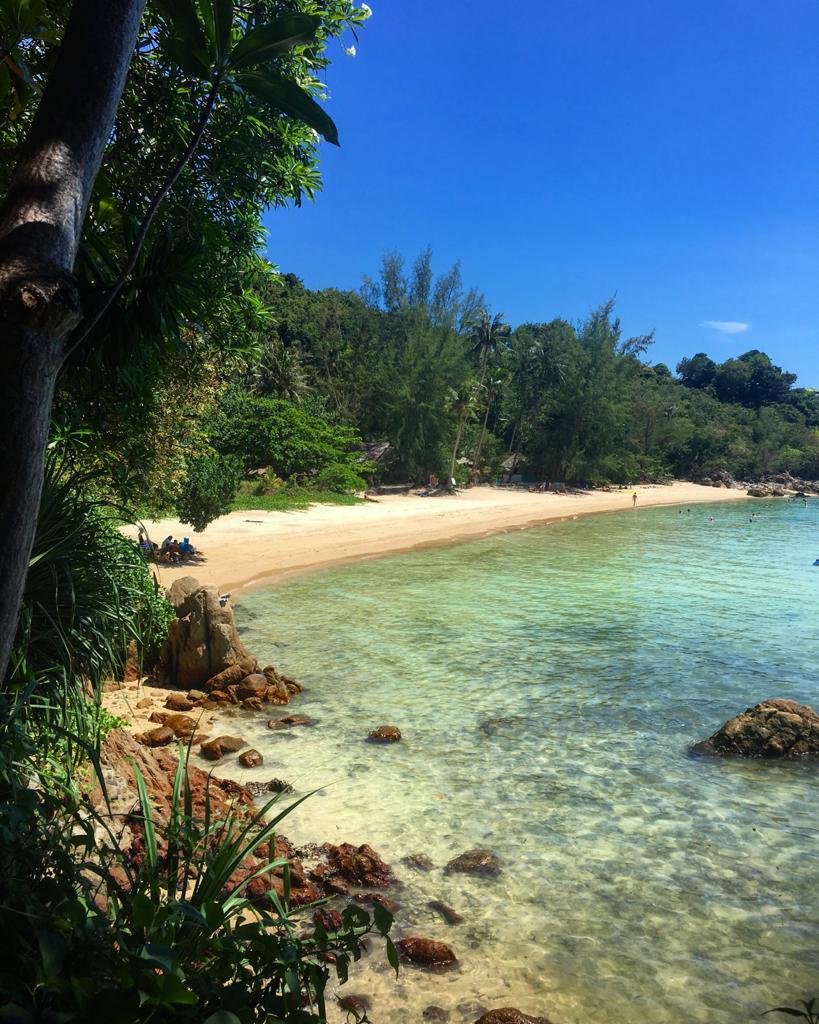
Timing tip: if you’re island hopping, get your tattoo near the end of your stay. It’s hard to watch everyone else swim at the best beaches on Koh Phangan while yours heals.
How Long Do Bamboo Tattoos Last?
Ultimately, the lifespan of a bamboo tattoo varies from person to person and depends on how well it’s looked after.
Good aftercare – keeping the tattoo clean and moisturized, avoiding prolonged sun exposure and not soaking it while it heals – helps it last.
Generally, bamboo tattoos last as long as machine tattoos, though very fine lines can soften over time and may need a touch-up down the track.
Where to Get a Bamboo Tattoo on Koh Phangan
As we put it in our 50 things to do in Koh Phangan, it feels like every corner of the island has a tattoo parlor. That’s great for choice, and also why it pays to do your homework.
Check portfolios, visit in person and run through the safety checklist above before you book. Hours change, so message ahead.
Bamboo Tattoo in Thailand FAQs
How much does a bamboo tattoo cost in Thailand?
It depends on the size, detail and artist. One Koh Phangan guide (Mar 2025) puts small designs at around 1,500–3,000 THB (about $45–90 USD) and Sak Yant at around 3,000–5,000 THB (about $90–150 USD). Always agree on the price before you start.
How long does a bamboo tattoo take?
Longer than a machine tattoo. Small, simple designs can be done in an hour or two. Mine, with heavy shading, took about 6–7 hours.
Can I swim after a bamboo tattoo?
Not straight away. Some artists say bamboo tattoos heal faster, but health guidance is to avoid soaking a new tattoo – sea, pools and hot tubs included – until it’s healed, usually around 2–3 weeks.
Are bamboo tattoos safe?
They can be, if the studio uses new needles, sterilizes equipment in an autoclave and keeps a clean workspace. Unsterile equipment can spread hepatitis B, hepatitis C and HIV, so check before you sit down.
Is tattoo ink vegan?
Not always. Some inks contain bone char, animal glycerin, gelatin or shellac, and stencil paper and aftercare balms can contain lanolin or beeswax. Ask your artist which ink they use – many professional inks are now vegan.
Is it disrespectful for tourists to get a Sak Yant?
Not if you go to a genuine Ajahn and treat it as the sacred practice it is. Dress modestly, follow the master’s lead on the design and take the precepts seriously. Avoid using sacred designs as a fashion statement – and think twice about Buddha images below the waist. Thailand’s Culture Ministry has urged tattoo artists not to put religious images on lower parts of the body, and many Thais find it offensive.
Final Thoughts
A bamboo tattoo is still one of my favorite souvenirs from Thailand – and a spontaneous decision I’d make again.
Just make it a smart spontaneous decision. Choose a clean studio, ask about vegan ink, plan around the beach and give it a few weeks to heal.
Heading to Thailand next? Here’s our full Vegan Thailand Survival Guide for eating your way around the country – and if you’re staying on the island, our Koh Phangan vegan food guide has you covered between sessions. Getting inked is also on our vegan travel bucket list.
Got a bamboo tattoo in Thailand? Let us know where you got it in the comments!